Kluane Mountaineering: Made for the Long Cold
Small Certainty
Outdoor equipment has become exceptionally good at describing itself. Jackets arrive with diagrams, sleeping bags with temperature tables and almost everything with a name that suggests an expedition before breakfast. Kluane Mountaineering belongs to an earlier and more useful tradition. The Edmonton company makes down equipment for people who need warmth to work, not warmth to perform a personality.
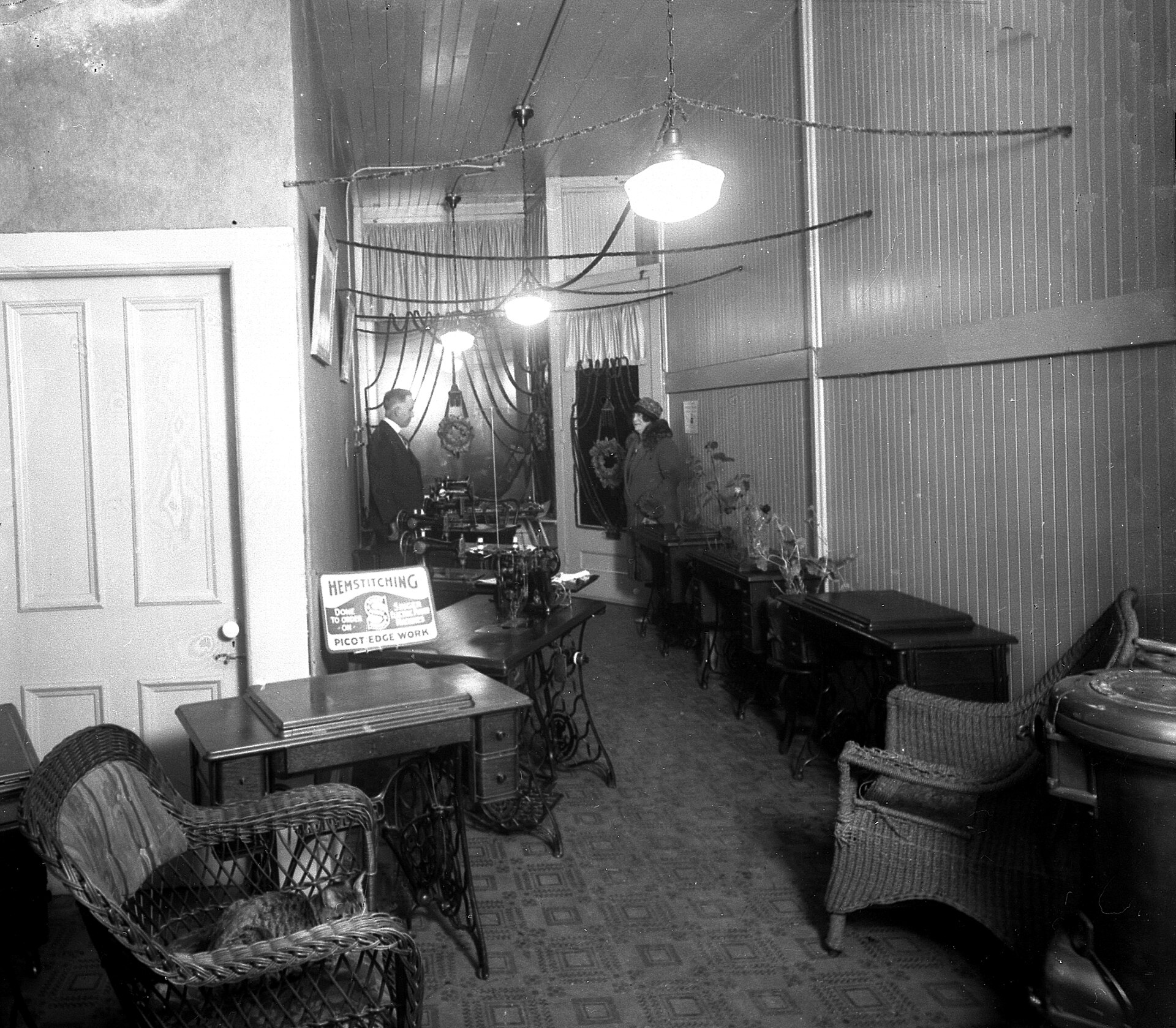
Its story begins in 1971, when University of Alberta law students John Faulkner and Jim Brown wanted sleeping bags they could not afford. They made their own in the basement of Brown’s mother’s house and discovered that insulation rewards care more than spectacle. The company was incorporated in 1973, named for the immense national park and reserve in Yukon, and gradually sent its bags and clothing far beyond Alberta. The origin is modest, but the principle was already complete: make the thing properly, understand what is inside it and let the cold conduct the final review.
A bag before a brand
The sleeping bag is a good object on which to build a company because it is difficult to bluff. Too little down leaves cold channels. Too much fabric adds weight without comfort. Poorly considered baffles allow the insulation to migrate precisely when it is needed most. The maker has to balance loft, cut, shell, zip and the sleeping habits of a person who will be tired, damp and a long way from the nearest radiator.
Kluane’s early advantage was not scale but proximity to the work. A small workshop can notice how a pattern sits, where a seam carries strain and whether a repair reveals a weakness worth correcting in the next piece. That knowledge accumulates at the cutting table and the sewing machine rather than in a campaign. By the late 1980s, the company’s equipment had travelled around the world, but its authority still came from the same close sequence of measuring, filling, stitching and checking.
Loft without theatre
Down is an old material with a modern public-relations department. Its numbers matter — fill power, weight and the ratio between insulation and everything holding it in place — but the useful result is simpler. A well-made down piece should create warmth without bulk becoming its only idea. It should pack down when asked, recover its loft and place insulation where the body loses heat rather than where a photograph wants volume.
Kluane has long worked with light ripstop shells and high-loft insulation, but specification is only the beginning. The enduring attraction is the possibility of an object being adjusted to its owner and intended use. Length, warmth and detail can be treated as practical questions rather than fixed decisions made for an imaginary average customer. The outcome is equipment with fewer excuses: lighter when weight matters, warmer when exposure demands it and personal only in the sense that it fits the life it has been asked to join.
Stewardship, not reinvention
Dylan Lynch acquired Kluane Mountaineering in 2024 and has described his role as stewardship. It is the correct word for a company whose value sits partly in patterns, partly in hands and largely in the continuity between them. A new owner can improve the workshop, clarify the offer and bring the name to another generation without pretending that fifty years of accumulated judgement requires a dramatic rescue.
That restraint matters because small manufacturers are often praised most enthusiastically at the moment they are encouraged to stop behaving like small manufacturers. Growth brings useful stability, but it can also separate the person specifying the object from the person sewing it. Kluane’s more interesting opportunity is not to become a broad outdoor lifestyle proposition. It is to remain recognisably a place where somebody can discuss the cold, choose an appropriate piece and know that the answer will be made rather than merely retrieved.
The northern name
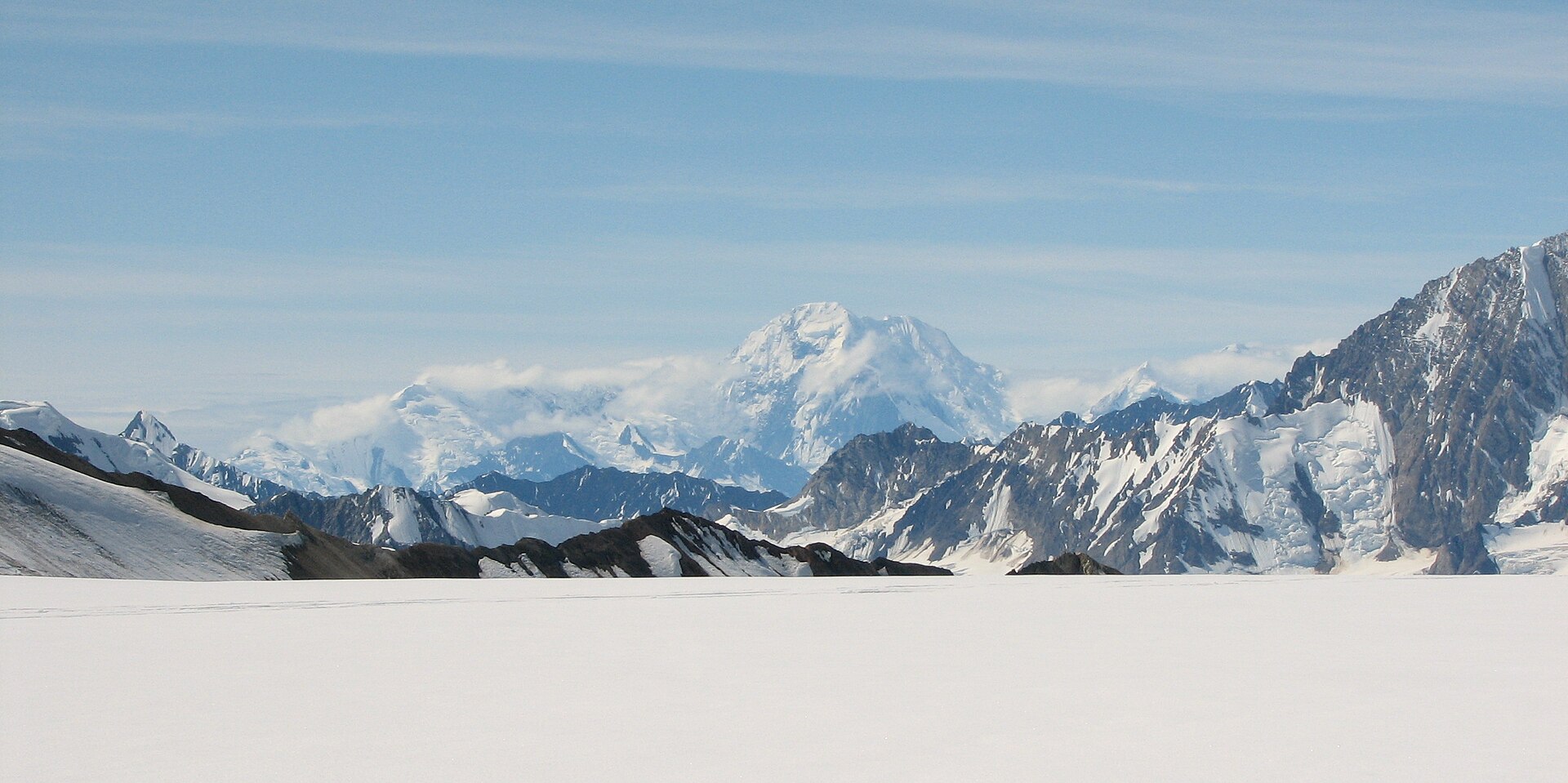
Kluane National Park and Reserve contains icefields, glaciers and some of Canada’s highest country. The company is based in Edmonton, not Yukon, and the distinction is worth keeping clear. The landscape lends the brand a name and a standard, not a false address. It represents conditions in which warmth, weight and repairability stop being preferences and become facts.
Kluane Mountaineering is compelling because the product and the organisation share a sensible shape. Both are compact, layered and built to endure pressure without unnecessary display. The lesson is not that every object should be handmade or every company should remain tiny. It is that some knowledge only survives when making stays close enough to use. A sleeping bag begun in a basement can travel remarkably far, provided nobody mistakes distance for a reason to forget how it was made.