One Good Street: Jægersborggade, Copenhagen
Small Certainty
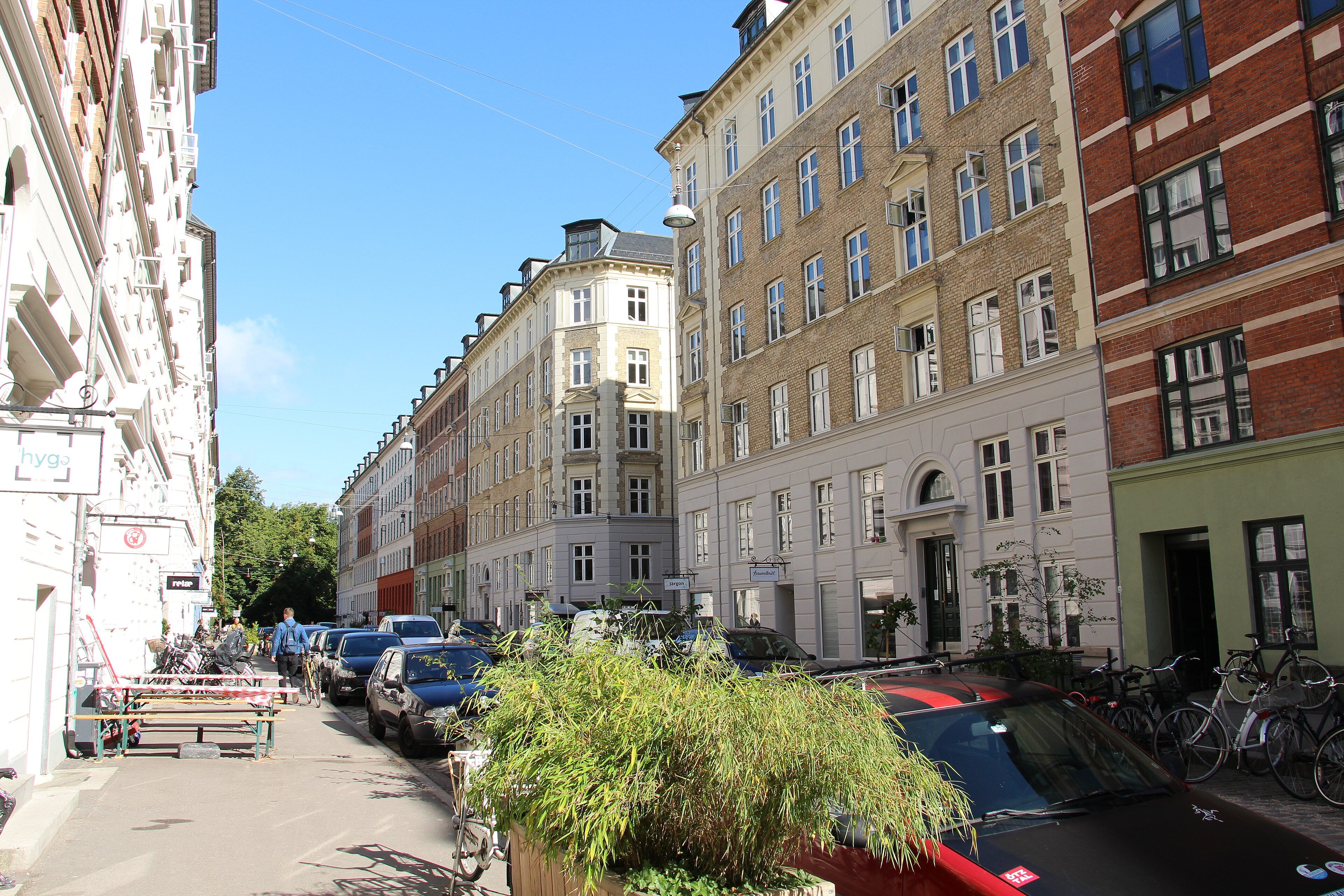
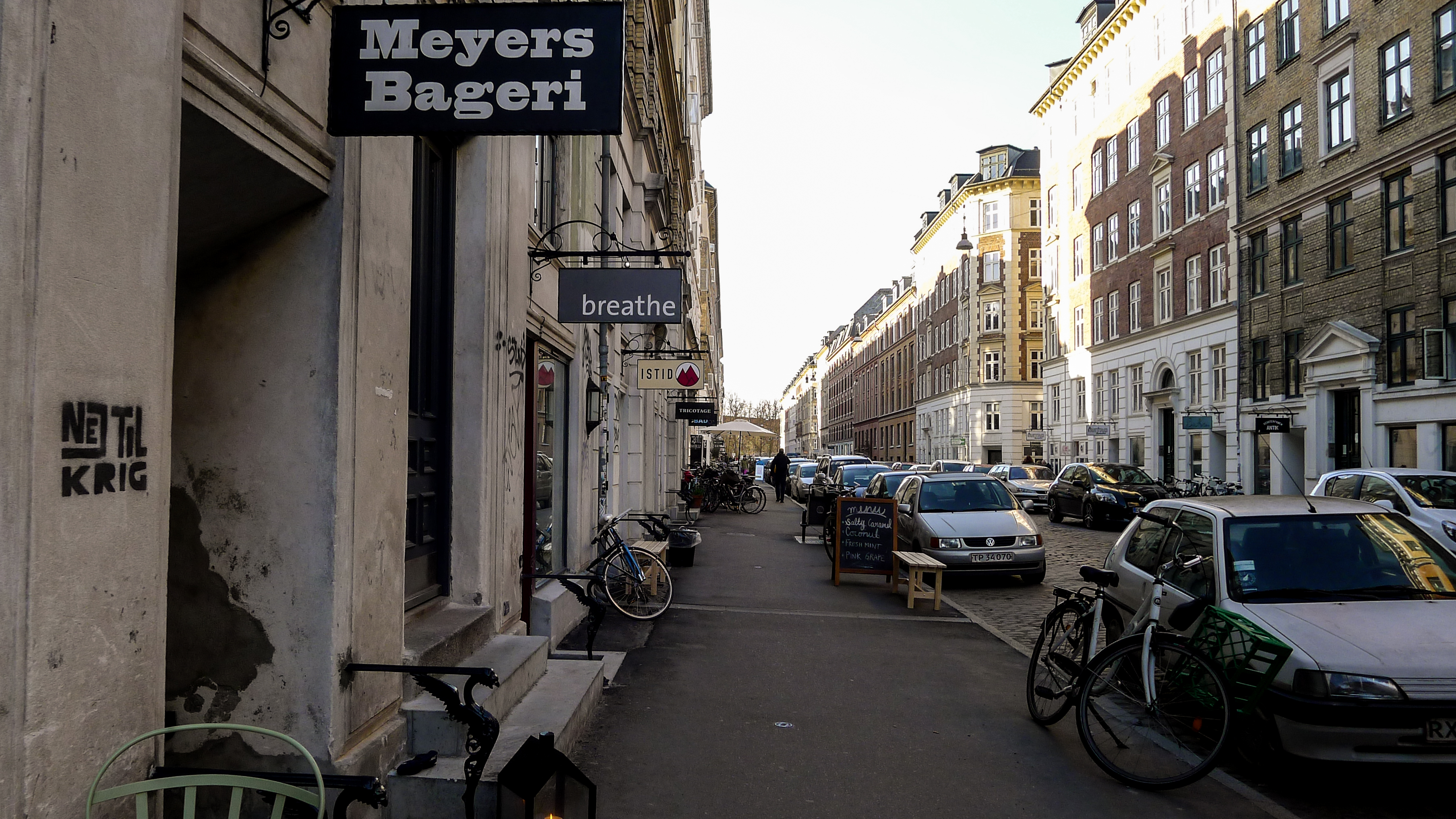
A good street is a compact civic institution. It gives you reasons to arrive, reasons to linger and enough ordinary life to prevent the whole performance from feeling staged. Jægersborggade, a short residential street in Copenhagen’s Nørrebro district, gets this balance unusually right. Workshops, cafés and small shops occupy the ground floor while bicycles, front doors and upstairs windows preserve the useful impression that people actually live here.
The street is often described by its inventory — ceramics, natural wine, coffee, food and independent retail — but the inventory is less important than its scale. Frontages are narrow, the walk is brief and no single address is asked to carry the destination. You can come for one thing and notice three others without feeling that a commercial precinct has been arranged around you. The result is busy enough to reward attention and calm enough to remain legible.
Begin with the useful things
Coffee Collective is the obvious marker, not because a good street requires a celebrated coffee bar but because a precise daily habit gives the neighbourhood a dependable pulse. Around it, food counters, wine, clothing and ceramics make a sequence of modest invitations. Most can be understood from the pavement. The doors are close together, the rooms are small and the transactions remain human in scale.
This is where Jægersborggade differs from a shopping street assembled from destinations. Its shops do not need theatrical façades or enormous signs to announce themselves. A window, a bench, a bicycle against the wall and a few people deciding whether to go in are sufficient. Commerce remains visible, but it does not erase the building or the weather. Even an excellent shop is still one room on a Copenhagen street.
The middle is the point
There is no monument waiting halfway along Jægersborggade, which is part of its intelligence. The reward is cumulative: a ceramic cup, a loaf, a conversation at a doorway, a well-used bicycle and the changing rhythm of people who are shopping, working or simply going home. The street does not climax; it acquires character by repetition and proximity.
That quality is difficult to reproduce with branding because it depends on mixture. Residents provide continuity, independent businesses provide variation and the narrow street lets each borrow a little atmosphere from the other. A visitor gets enough novelty for an afternoon, while a neighbour can still cross the same pavement carrying groceries without becoming part of somebody else’s city break.
What another city can borrow
The lesson is not to import Copenhagen furniture or commission a district identity. It is to protect the conditions in which many small decisions can sit beside one another: short frontages, adaptable rooms, a comfortable walking pace and enough housing to keep the street useful after the last coffee is poured. Variety is stronger when it is spatial as well as commercial.
One good street does not need to represent an entire city. It needs to be specific enough that the city becomes visible through it. Jægersborggade offers Copenhagen in miniature — design-minded but practical, sociable without becoming loud and confident enough to leave several things unresolved. Walk it slowly, buy one useful object and allow the rest of the street to remain for another day.